The Summit on Synthetic Drugs
United Against Fentanyl convenes leaders from law enforcement, public health, and policy to address one of the most urgent international and domestic crises of our time.
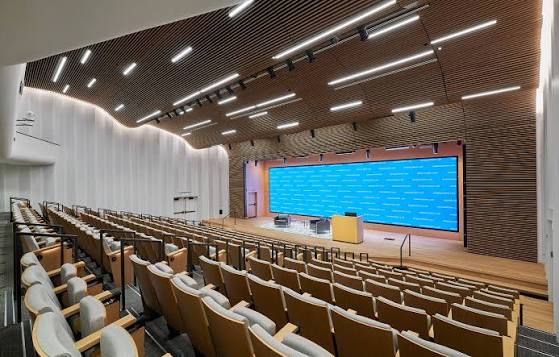
Hart Auditorium · Georgetown Capitol Campus, Washington, D.C.
Why this summit, and why now
The Fentanyl Crisis is entering a new phase. As illicit fentanyl supply chains adapt to pressure, a second wave of synthetic threats is taking shape: nitazenes that can be many times more potent than fentanyl, xylazine that does not respond to standard overdose reversal, and a growing class of alternative opioids engineered to stay a step ahead of regulation.
Addressing that wave requires those who care to convene. This event will bring together federal policymakers, law enforcement, public health leaders, the technology platforms where these drugs are marketed, and the families who have paid the highest price.
4:00 to 8:00 PM. Same day as Walk For Lives.
Georgetown Capitol Campus, Washington, D.C.
Closing with a strategy panel. Food and drink provided.
What we’ll be discussing
Three working sessions and a full panel led by people who've lived and worked these issues.
Federal Policy: Supply & Demand
Social Media & Youth Culture
Diplomacy & Corruption
The opinions and views expressed by panelists are their own and do not necessarily reflect the views of United Against Fentanyl or the panelists’ respective organizations.
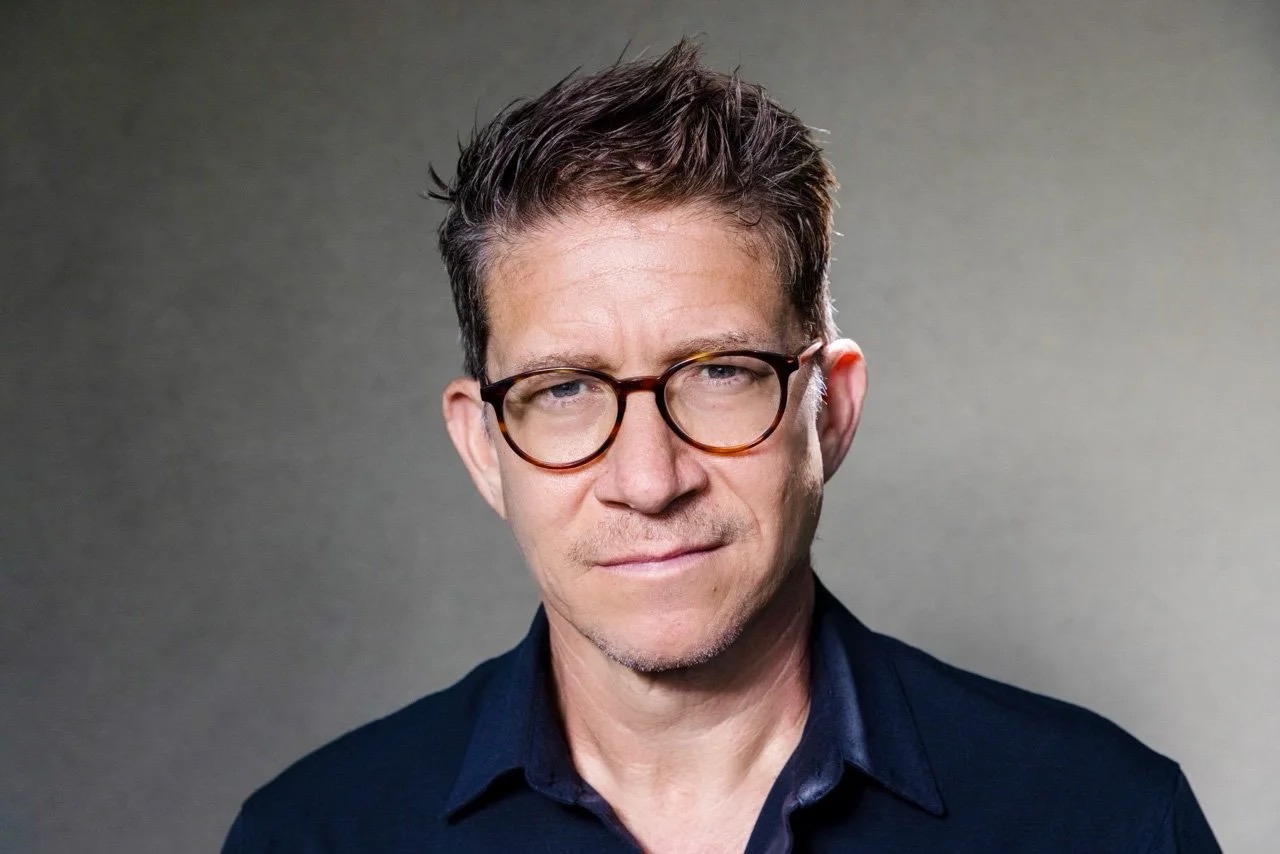
Paul E. Martin
Hosts and moderates the summit, opening the listening session and leading the closing strategy panel that guides the day’s discussions.
Featured Speakers
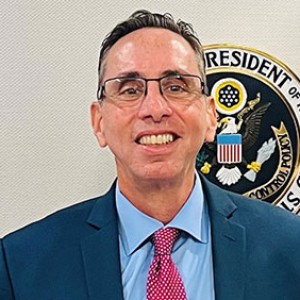
Richard Baum
Former Acting Director, White House ONDCP · Adjunct Professor, Georgetown
Richard Baum spent 28 years at the White House Office of National Drug Control Policy, serving six administrations before becoming Acting Director, the nation’s “Drug Czar.” He led the President’s Opioid Commission at the height of the crisis and helped author six National Drug Control Strategies. Now a Georgetown professor and the author of Inside America’s Opioid Crisis (2026), he serves on United Against Fentanyl’s Advisory Board.
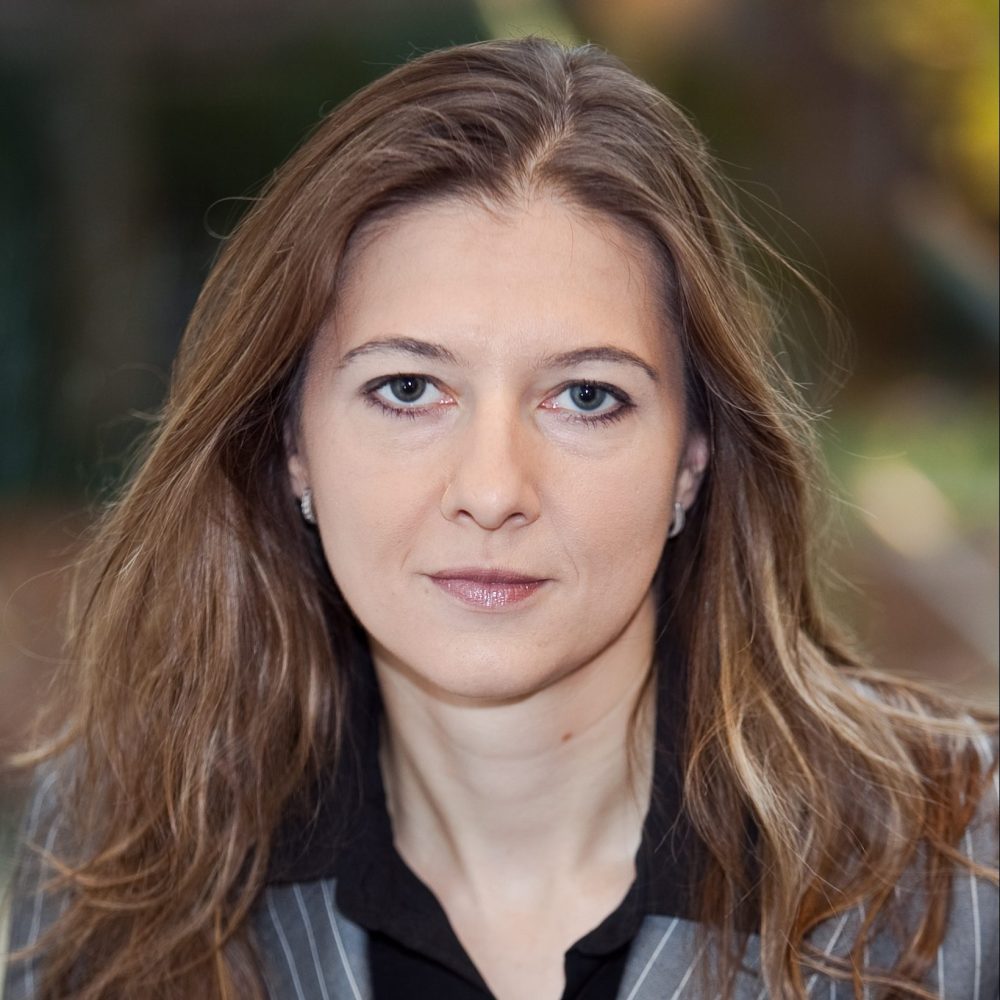
Vanda Felbab-Brown
Senior Fellow, The Brookings Institution · Director, Nonstate Armed Actors Initiative
Vanda Felbab-Brown is one of the world’s foremost authorities on illicit economies, organized crime, and the global drug trade. At Brookings she directs the Initiative on Nonstate Armed Actors, drawing on field research from Mexico to Afghanistan. When Congress needs to understand how fentanyl actually moves, she is among the few called to testify. She has written five books and holds a Ph.D. from MIT.
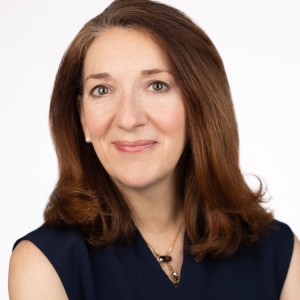
Regina LaBelle
Professor, MS ADPP Georgetown SOH · Director, O'Neill Institute
Regina LaBelle has led national drug policy from inside the White House and now trains the next generation who will shape it. She served as Acting Director of ONDCP under President Biden and as Chief of Staff under President Obama. At Georgetown’s O’Neill Institute she founded and directs the nation’s first Master of Science in Addiction Policy and Practice, the first program of its kind in the country.
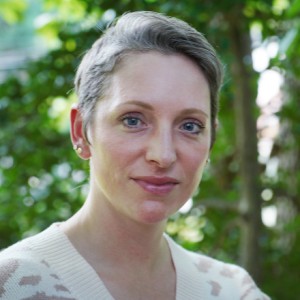
Emily Dufton
Author, Grass Roots & Addiction Inc. · Drug historian and policy writer
Emily Dufton is a drug historian and the author of "Grass Roots: The Rise and Fall and Rise of Marijuana in America" and "Addiction, Inc.: Medication-Assisted Treatment and America's Forgotten War on Drugs." An expert in the political and social histories of cannabis and opioid use and addiction treatment, her writing has appeared in the Washington Post, Weed Week News, Smithsonian Magazine, and CNN. She received her PhD in American Studies from George Washington University.
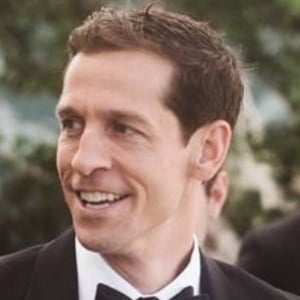
Jim Crotty
Former Deputy Chief of Staff, U.S. DEA · Law Enforcement Outreach Manager, Meta
Over more than twelve years at the Drug Enforcement Administration, Jim Crotty rose to Deputy Chief of Staff and Executive Assistant to the Administrator, the agency’s top staff leadership. He is a Non-Resident Senior Fellow at the Global National Security Institute and a Senior Fellow at C4ADS. He teaches at American University and serves on United Against Fentanyl’s Advisory Board.
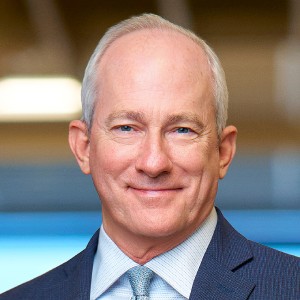
Greg Gatjanis
Former Associate Director, U.S. Treasury OFAC · Senior Policy Advisor, Fluet
Greg Gatjanis has spent his career hitting traffickers where it hurts most: their money. For twelve years he helped lead Treasury’s Office of Global Targeting at OFAC, overseeing sanctions across roughly 45 programs and cutting cartels off from the global banking system. He earlier served seven years on the National Security Council and advised the Administrator of the DEA on counternarcotics.

Partnership
The 'Thought Leader Series' is brought to you in partnership with PAX sapiens. PAX sapiens mission is to prevent predictable global catastrophes through the creation of new systems of collective coordination that promise a more peaceful world.
Seats are limited. Reserve yours.
Saturday, September 26, 2026 · 4:00 to 8:00 PM · Washington, D.C.


