By Paul Martin
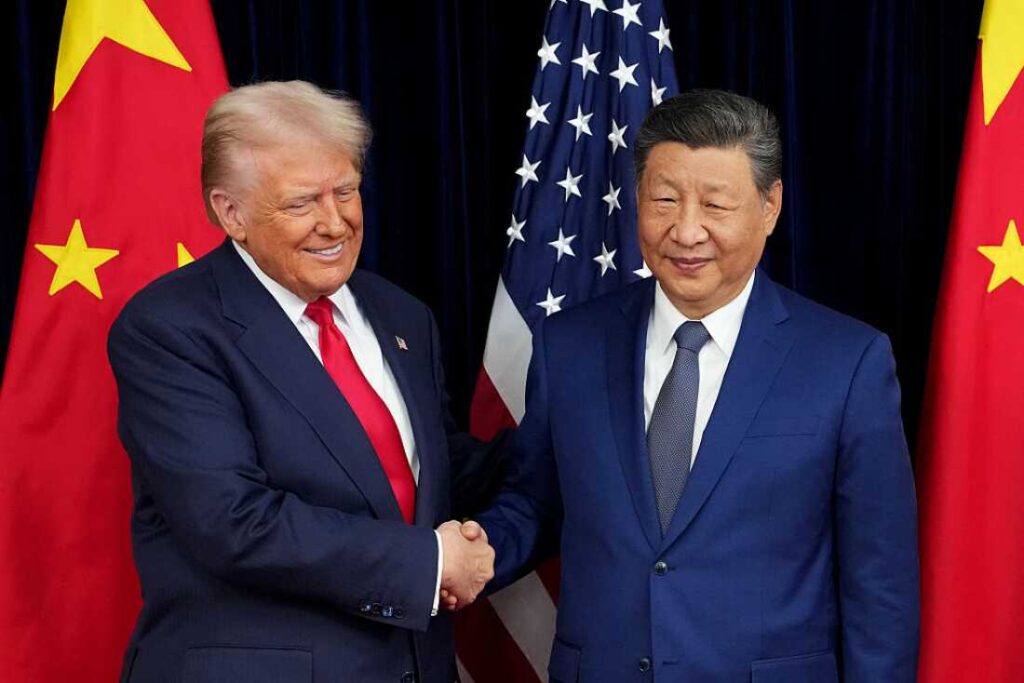
Many have reached out to me asking about President Trump’s meeting with the leader of the Chinese Communist Party (CCP), Xi Jinping. This is not a political post, but what I believe are crucial facts that must be grasped in order to understand the fentanyl crisis and its geopolitical nature.
The Chinese government has a long history of human rights abuses of its citizens. Today these include murder, torture, harsh prison conditions, denial of urgent medical care, forced sterilization, and starvation. Human rights groups including the UN deem these crimes against humanity and many constitute genocide.
Today those abuses include populations within China including Uyghur detainees, Falun Gong practitioners, and Christians. Many experts believe the Xi regime also targets foreign citizens living in other countries, including the United States of America.
Foreign policy experts from both political parties believe Beijing is waging a proxy war against the U.S.—namely, in the form of a public health crisis given fentanyl today is the number one cause of death of Americans 18-45 years of age. Initiated in China, the flow of fentanyl across our borders brings immeasurable stress across the nation, not only in terms of the loss of young human lives, but also cost of billions in taxpayer dollars, and immeasurable consumption of time and energy across law enforcement, the medical community, and other public and private sector institutions.
The proxy war theory must not be dismissed. A bipartisan House committee, the Chinese Select Committee, released an investigation on April 16th of last year. The report concluded the CCP (a) directly subsidizes the manufacturing and export of illicit fentanyl materials and other synthetic narcotics through tax rebates, (b) gave monetary grants and awards to companies openly trafficking illicit fentanyl materials and other synthetic narcotics, (c) holds ownership interest in several PRC companies tied to drug trafficking, (d) fails to prosecute fentanyl and precursor manufacturers, (e) allows the open sale of fentanyl precursors and other illicit materials on the extensively monitored and controlled PRC internet, (f) censors content about domestic drug sales but leaves export-focused narcotics content untouched, and (g) strategically and economically benefits from the fentanyl crisis.
Despite the incorrigible findings in the investigation, today President Trump reduced the fentanyl-related tariff from 20% to 10% because of the another promise from Xi that he would work harder to stop the sale of precursor materials—promises not unlike those he made during Trump’s first term and also during the Biden administration.
Many ask whether today’s meeting matter.
Will Xi make good on another promise this time? Will he stop the sales of these deadly chemicals? Will the production of fentanyl be reduced?
Only time will tell.


